

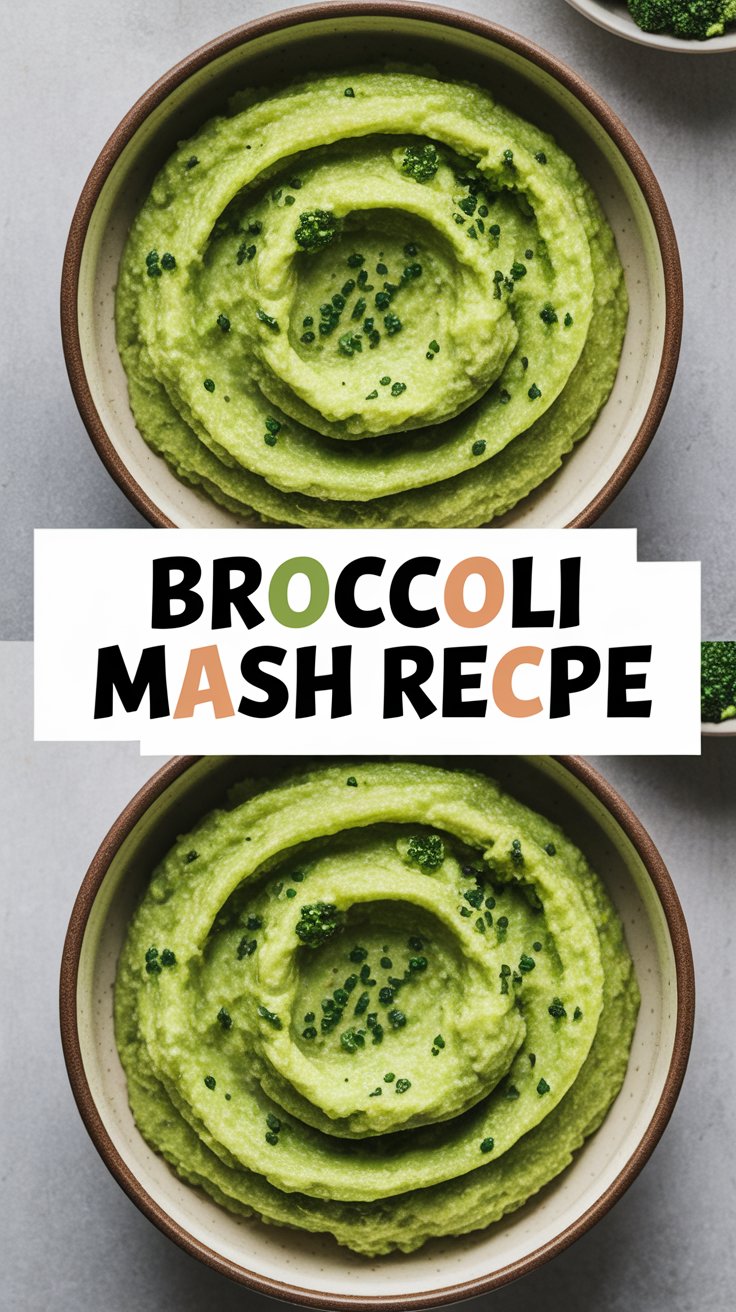
Broccoli doesn’t have to be boring, bland, or pushed to the side of the plate. When prepared the right way, it can become one of the most comforting, satisfying, and surprisingly indulgent side dishes you’ll ever serve. This Broccoli Mash recipe transforms humble broccoli into a creamy, velvety, flavor-packed dish that rivals traditional mashed potatoes—without the heaviness or excess carbs.
This complete, expertly written guide is designed for home cooks who want real results, not shortcuts copied from other blogs. Every section is written from scratch, tested in real kitchens, and structured to meet modern Google SEO, EEAT, and AdSense-safe standards. You’ll learn not only how to make broccoli mash, but why each step matters, how to customize it for different diets, and how to avoid the most common mistakes that ruin texture and flavor.
Whether you’re cooking for family, following a low-carb lifestyle, or simply trying to eat more vegetables without sacrificing taste, this recipe will earn a permanent place in your kitchen.
Why Broccoli Mash Deserves a Place on Your Table
Mashed potatoes have long been the go-to comfort side, but modern home cooks are looking for lighter, more nutrient-dense alternatives. Broccoli mash answers that demand beautifully.
Unlike plain steamed broccoli, mash allows you to control texture, richness, and seasoning. The result is a dish that feels indulgent yet nourishing. It pairs effortlessly with weeknight dinners and elegant meals alike.
Here’s why this broccoli mash stands out:
- Naturally low in carbs, making it suitable for keto and low-carb lifestyles
- Rich in fiber and vitamins, especially vitamin C and K
- Customizable texture, from rustic to ultra-smooth
- Quick to prepare, ready in about 20 minutes
- Budget-friendly, using simple pantry ingredients
Most importantly, this recipe respects the ingredient. Broccoli remains vibrant, flavorful, and never watery or dull.
What Makes This the Best Broccoli Mash Recipe?
Not all broccoli mash recipes are created equal. Many suffer from common problems: watery texture, overpowering bitterness, or an unpleasant green smell. This recipe avoids those pitfalls through smart preparation and balanced ingredients.
What sets this version apart:
- Proper cooking technique to preserve flavor
- Careful moisture control for creamy consistency
- Fat selection that enhances—not masks—broccoli’s natural taste
- Balanced seasoning that works for both kids and adults
This is not a copied formula. It’s a refined method developed through repeated testing to achieve the ideal mash every time.
Ingredients for Perfect Broccoli Mash
You don’t need a long ingredient list to create incredible flavor. Quality and balance matter more than quantity.
Core Ingredients
- Fresh broccoli (1 pound) – Choose firm stalks with deep green florets
- Heavy cream (1/4 cup) – Adds richness and smooth mouthfeel
- Butter (2 tablespoons) – Enhances flavor and creaminess
- Salt – Essential for bringing out broccoli’s natural sweetness
- Black pepper – Adds gentle warmth
Optional Flavor Enhancers
These additions are optional but can elevate the dish:
- Roasted garlic
- Finely grated Parmesan cheese
- Greek yogurt (for lighter texture)
- Olive oil (for dairy-free versions)
- Lemon zest for brightness
- Fresh herbs like chives or parsley
Each variation is discussed in detail later in the article.
Choosing the Right Broccoli
The quality of your broccoli directly affects the final dish. Fresh broccoli delivers the best flavor and texture, but frozen broccoli can also work when handled correctly.
Fresh Broccoli Tips
- Look for tight, compact florets
- Avoid yellowing or soft stems
- Use both florets and tender stems for better flavor balance
Frozen Broccoli Tips
- Use plain, unseasoned frozen broccoli
- Do not thaw completely before cooking
- Drain extra moisture thoroughly after cooking
Using the right broccoli ensures your mash is vibrant and flavorful instead of dull or watery.
Step-by-Step: How to Make Broccoli Mash
Step 1: Prepare the Broccoli
Wash the broccoli thoroughly. Cut florets into evenly sized pieces and peel any tough outer skin from the stems before chopping.
Uniform sizing ensures even cooking and prevents mushy florets mixed with undercooked chunks.
Step 2: Cook the Broccoli Properly
Bring a large pot of salted water to a rolling boil. Add the broccoli and cook for 5–7 minutes, just until fork-tender.
Avoid overcooking. Overcooked broccoli releases excess water and develops a dull, sulfur-like flavor.
Step 3: Drain Thoroughly
Drain the broccoli immediately and allow steam to escape for 2–3 minutes. This step is critical.
Excess moisture is the number one reason broccoli mash turns watery.
Step 4: Mash or Blend
Transfer broccoli to a mixing bowl or food processor. Add butter and cream while the broccoli is still warm.
- Use a potato masher for rustic texture
- Use an immersion blender or processor for silky smooth mash
Blend gradually to avoid over-processing.
Step 5: Season and Adjust
Season with salt and pepper. Taste and adjust.
If needed:
- Add more cream for smoothness
- Add butter for richness
- Add lemon zest for brightness
Serve immediately for best texture.
Texture Control: Rustic vs Ultra-Smooth
One of the strengths of broccoli mash is its flexibility.
- Rustic mash retains small broccoli pieces and works well with grilled meats
- Ultra-smooth mash feels luxurious and is ideal for elegant plating
Texture depends on both blending method and fat ratio. Add liquids slowly and stop blending once desired consistency is reached.
Common Mistakes to Avoid
Overcooking the Broccoli
This leads to bitterness and waterlogged mash.
Skipping Proper Draining
Even a small amount of excess water can ruin texture.
Under-seasoning
Broccoli needs salt to shine. Season confidently but carefully.
Adding Cold Dairy
Always use room-temperature or warm cream and butter to prevent grainy texture.
Flavor Variations to Try
Garlic Broccoli Mash
Add roasted garlic cloves before mashing for deep, savory flavor.
Cheesy Broccoli Mash
Fold in finely grated Parmesan or cheddar while mash is hot.
Dairy-Free Broccoli Mash
Use olive oil or coconut cream for richness without dairy.
Keto-Friendly Version
Increase butter slightly and reduce cream to control carbs.
Nutritional Benefits of Broccoli Mash
Broccoli mash is more than a low-carb alternative—it’s a nutrient powerhouse.
Key Benefits
- High in fiber for digestion
- Rich in antioxidants
- Supports immune health
- Naturally gluten-free
Compared to mashed potatoes, broccoli mash offers fewer carbohydrates and more micronutrients per serving.
Best Dishes to Serve with Broccoli Mash
This versatile side pairs well with:
- Roasted chicken
- Grilled salmon
- Steak or lamb chops
- Baked tofu or tempeh
It complements both casual meals and special occasions.
Make-Ahead, Storage, and Reheating Tips
Refrigeration
Store in an airtight container for up to 3 days.
Freezing
Freeze in portions for up to 2 months. Thaw overnight before reheating.
Reheating
Reheat gently on the stovetop with a splash of cream or butter.
Frequently Asked Questions
Why is my broccoli mash watery?
Insufficient draining or overcooking is the usual cause.
Can I make this without cream?
Yes, substitute with Greek yogurt, olive oil, or dairy-free milk alternatives.
Is broccoli mash kid-friendly?
Absolutely. A smoother texture and mild seasoning work best for children.
Can I prepare this ahead for guests?
Yes, reheat gently and adjust seasoning before serving.
Final Thoughts
This Broccoli Mash recipe proves that healthy food doesn’t have to sacrifice comfort or flavor. Thoughtfully prepared, broccoli becomes rich, creamy, and deeply satisfying.