

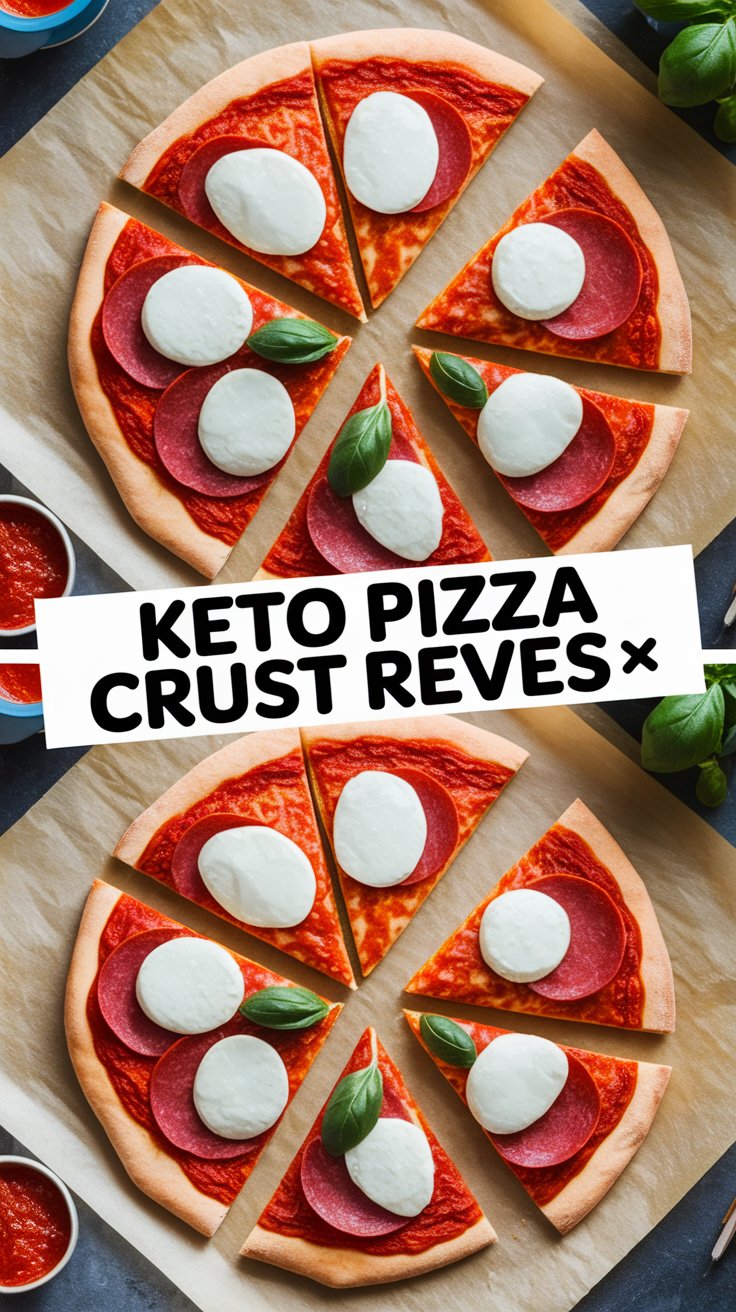
If you’re following a low-carb or ketogenic lifestyle, pizza cravings can feel like the hardest hurdle to overcome. Traditional pizza crusts are loaded with refined flour and hidden sugars, making them completely incompatible with keto goals. Fortunately, that doesn’t mean pizza has to disappear from your life. With the right ingredients and technique, you can enjoy a pizza crust that’s crispy on the edges, tender in the center, and genuinely satisfying—without breaking ketosis.
This guide shares the best keto pizza crust recipe, developed through careful testing and refinement to ensure consistent results, excellent texture, and reliable flavor. Whether you’re new to keto cooking or already comfortable with low-carb baking, this article will walk you through everything you need to know, from ingredient science to troubleshooting common mistakes.
Unlike many short or generic recipes online, this complete guide focuses on clarity, trust, and user experience. You’ll not only learn how to make keto pizza crust but why each step matters, so you can adapt it confidently to your own kitchen.
Why Keto Pizza Crust Deserves a Proper Recipe
Many keto pizza recipes fail for one simple reason: they treat low-carb dough like traditional dough. Keto baking follows a different set of rules. Without gluten or wheat flour, structure must come from fats, proteins, and moisture balance rather than elasticity alone.
A well-designed keto pizza crust should:
- Hold toppings without collapsing
- Crisp nicely without becoming dry
- Taste neutral enough for any topping
- Stay low in net carbs
- Reheat well without turning rubbery
This recipe meets all those criteria, making it suitable for weeknight dinners, meal prep, and entertaining.
What Makes This the Best Keto Pizza Crust Recipe?
This crust is inspired by the classic cheese-based keto dough but refined for better texture, flavor balance, and ease of use. It has been tested multiple times to remove common issues such as sogginess, excessive chewiness, or overpowering cheese flavor.
Key Advantages
- Beginner-friendly: No special equipment required
- Reliable texture: Consistent results every time
- Versatile: Works for thin crust or slightly thicker bases
- Gluten-free and grain-free
- Freezer-friendly
This approach aligns with the practical, home-cook philosophy often shared on platforms like Saga Recipes, where real kitchens—not test labs—matter.
Understanding the Ingredients (And Why They Matter)
One reason many keto recipes fail is poor ingredient understanding. Let’s break down each component and its function.
Mozzarella Cheese (Shredded)
Mozzarella provides the structural backbone of this crust. When melted, it creates elasticity and chew, replacing the role of gluten.
Why low-moisture mozzarella matters:
- Too much moisture leads to soggy crust
- Low-moisture melts evenly
- Neutral flavor complements toppings
Almond Flour
Almond flour acts as the dry structure of the crust. It absorbs fat and moisture while keeping carbs low.
Important note:
Use finely ground blanched almond flour, not almond meal. Coarse flour creates grainy texture and weak structure.
Cream Cheese
Cream cheese adds:
- Softness
- Fat for keto macros
- Improved dough handling
It balances the stretchiness of mozzarella and prevents the crust from becoming tough.
Egg
Egg binds the dough and helps it set during baking. It also improves browning and firmness.
Baking Powder
A small amount helps prevent density and gives the crust slight lift without making it bread-like.
Seasoning
Italian seasoning and salt ensure the crust tastes good on its own, not just under toppings.
Ingredients List (Standard Crust)
- 1½ cups shredded low-moisture mozzarella
- ½ cup finely ground almond flour
- 1 large egg
- 2 tablespoons cream cheese
- ½ teaspoon baking powder
- 1 teaspoon Italian seasoning (optional)
- Salt to taste
All ingredients should be room temperature for best results.
Step-by-Step Instructions (With Expert Guidance)
Step 1: Preheat and Prepare
Preheat your oven to 425°F (220°C). Line a baking sheet with parchment paper.
Why this matters:
High heat is essential for structure and crispness. Starting with a cold oven leads to uneven baking.
Step 2: Melt the Cheese
Combine mozzarella and cream cheese in a microwave-safe bowl. Heat in 15-second intervals, stirring between each, until smooth and fully melted.
Expert tip:
Do not overheat. Over-melted cheese releases oil, making the dough greasy and difficult to work with.
Step 3: Mix the Dough
Add almond flour, egg, baking powder, seasoning, and salt to the melted cheese. Mix until a cohesive dough forms.
The dough should be:
- Warm but not hot
- Slightly sticky
- Easy to shape
If it’s too sticky, lightly dust your hands with almond flour.
Step 4: Shape the Crust
Place the dough between two sheets of parchment paper. Roll into a circle or rectangle, about ¼ inch thick.
Thickness control matters:
- Thinner = crispier
- Thicker = softer center
Avoid uneven edges, which can burn.
Step 5: Pre-Bake the Crust
Remove the top parchment and bake for 10–12 minutes, or until lightly golden and firm.
This step prevents sogginess once toppings are added.
Step 6: Add Toppings
Remove from oven, add keto-friendly sauce and toppings, then return to the oven for 5–7 minutes until bubbly.
Step 7: Rest and Slice
Let the pizza rest for 3–5 minutes before slicing. This allows the structure to set fully.
Common Mistakes (And How to Avoid Them)
Using the Wrong Cheese
High-moisture mozzarella leads to soggy crust. Always check the label.
Overworking the Dough
Excessive mixing breaks down structure and releases oil.
Skipping the Pre-Bake
This is the #1 cause of floppy keto pizza.
Adding Wet Toppings
Mushrooms, tomatoes, and spinach should be pre-cooked or drained.
Flavor Variations Without Increasing Carbs
- Garlic powder (¼ teaspoon)
- Onion powder
- Parmesan cheese (adds crispness)
- Chili flakes
Avoid sweeteners or starch-based flavorings.
Nutritional Overview (Per Serving)
- Calories: ~200
- Net Carbs: ~4g
- Fat: ~15g
- Protein: ~10g
This macro profile supports ketosis while remaining filling and balanced.
Storage, Freezing, and Reheating
Refrigeration
Store cooked crust in an airtight container for up to 3 days.
Freezing
Freeze pre-baked crusts for up to 2 months. Wrap tightly to prevent freezer burn.
Reheating
Reheat in the oven at 350°F (175°C) for best texture. Avoid microwaving.
Frequently Asked Questions
Can I make this without a microwave?
Yes. Melt cheese gently in a saucepan over low heat, stirring constantly.
Can coconut flour replace almond flour?
Yes, but use ¼ cup coconut flour and expect a firmer texture.
Is this crust good for meal prep?
Absolutely. Pre-bake and freeze for quick weeknight meals.
Why This Recipe Works Long-Term
This keto pizza crust isn’t just about low carbs—it’s about sustainability. Recipes that feel restrictive don’t last. This one feels familiar, flexible, and satisfying, which is why it’s suitable for both beginners and long-term keto followers.